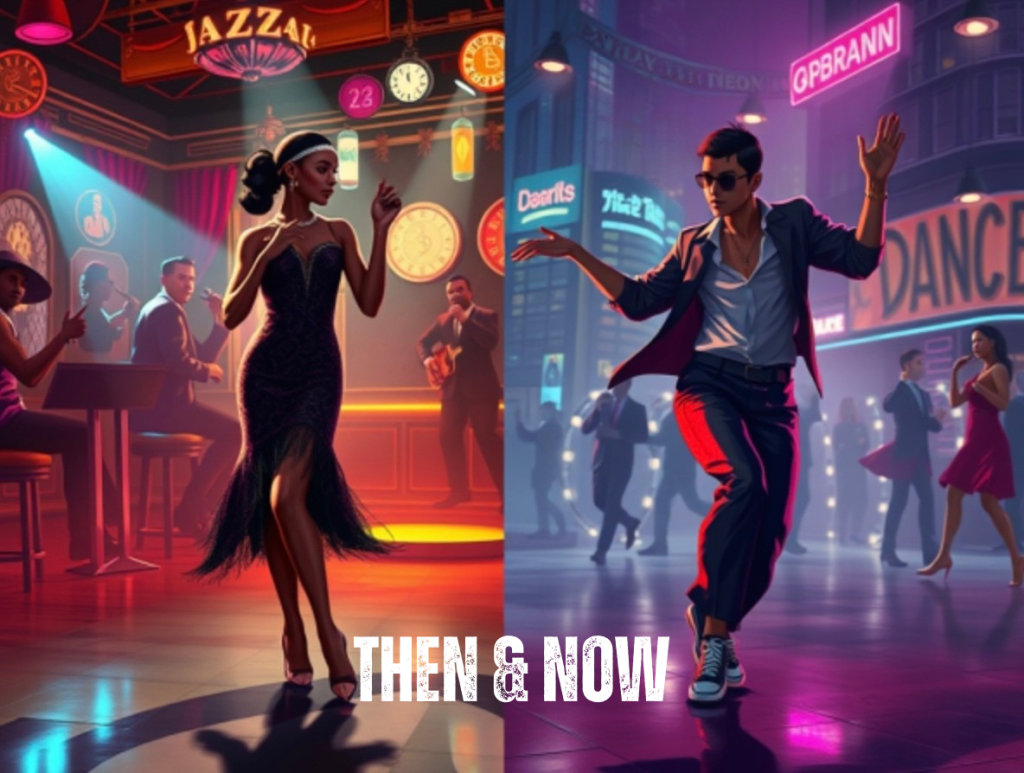
Exploring Dance in the 1920s and the 2020s – November 29, 2025
Then & Now: The Art of Dance
Exploring Dance in the 1920s and the 2020s
Dance is more than movement—it’s a reflection of the times. It’s the rhythm of a generation, the emotion of a people, and the energy of a cultural moment. As we prepare for Then & Now: The Art of Dance, NLAT’s end-of-year performance, we’re diving into two powerful decades of movement: the 1920s and the 2020s. Both eras brought unforgettable dance styles that defined not just parties and pop culture—but identity, expression, and resilience.
The Roaring Rhythms of the 1920s
The 1920s, known as the “Roaring Twenties,” exploded with energy, innovation, and rebellion. After World War I and during the rise of jazz, dance floors came alive with bold new moves that broke from the formal traditions of the past.
Popular Dances of the 1920s:
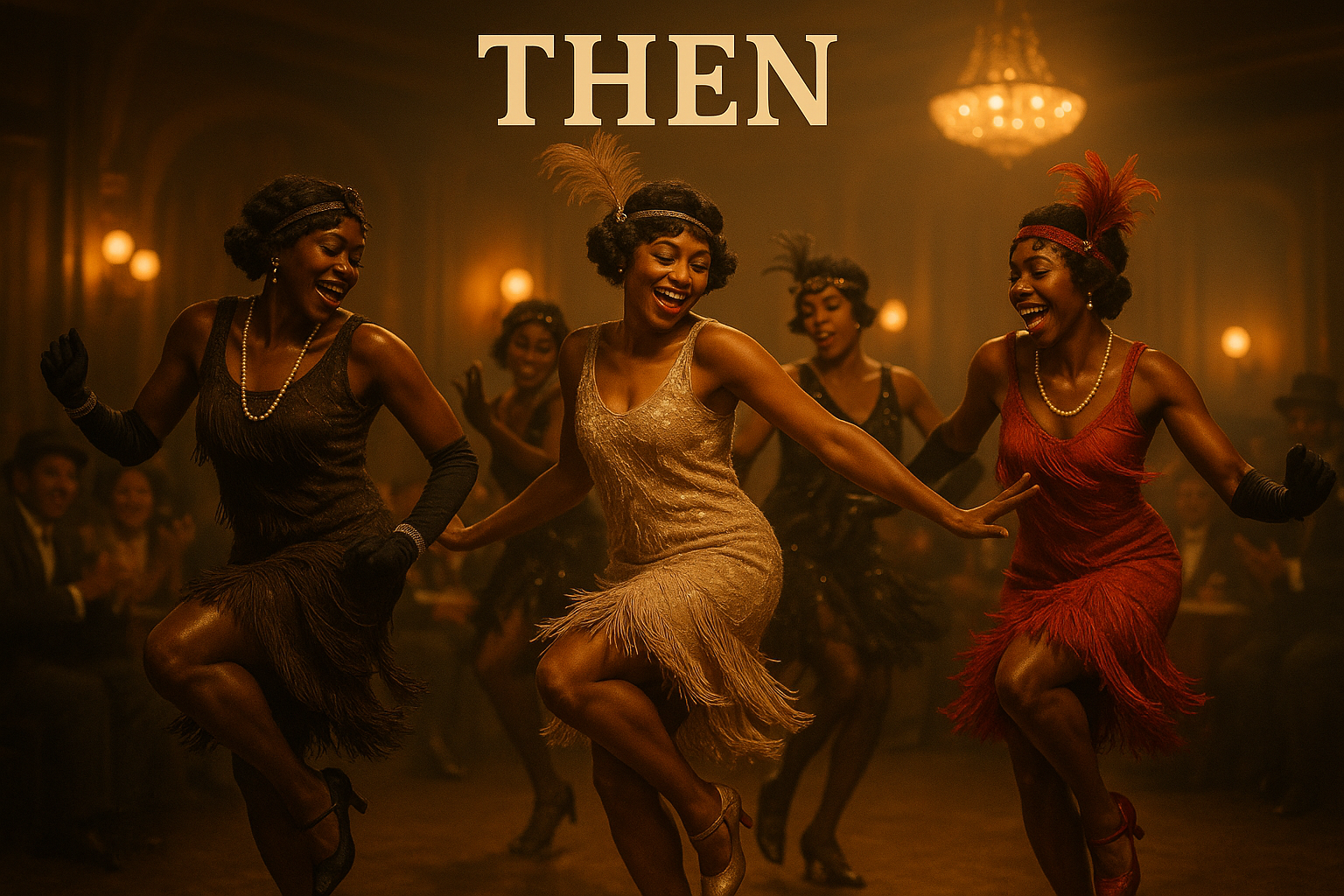
- The Charleston – With its swinging arms and quick footwork, the Charleston became a symbol of youth and independence, especially for the “flapper” generation.
- The Black Bottom – A high-energy dance with stomps, slaps, and exuberant kicks, originating from African American communities and spreading across the nation.
- The Lindy Hop – An early swing dance that started in Harlem, combining partner work with jazz rhythms and improvisation.
- The Foxtrot – A smoother, more elegant ballroom style still danced today.
These dances were not just fun—they were revolutionary. Women were asserting freedom in public spaces. Black artists and communities were gaining visibility during the Harlem Renaissance. Dance halls became sites of cultural change.
The Digital Grooves of the 2020s
Fast forward 100 years, and the world of dance has transformed—but the purpose remains the same: expression, joy, and connection.
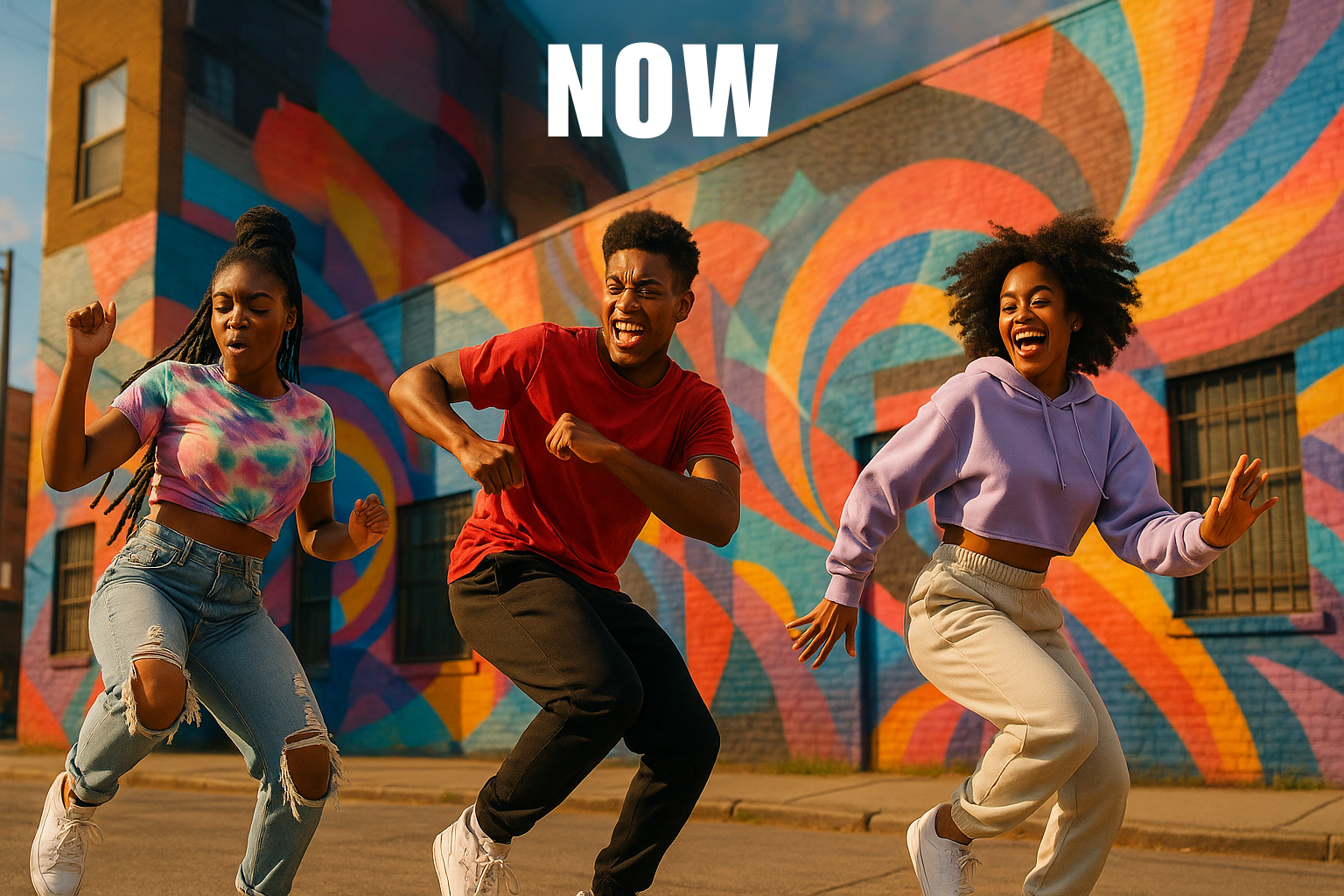
Popular Dances of the 2020s:
- TikTok Challenges – Platforms like TikTok brought dances like the “Renegade,” “Savage,” and “Say So” into millions of homes. Dances are now shared, copied, and reinterpreted in real time around the world.
- Hip-Hop & Street Dance Evolution – From popping and locking to new wave choreography, dancers in the 2020s blur lines between performance and freestyle.
- Afrobeats & Global Dance Trends – Dance styles from West Africa, Latin America, and the Caribbean have shaped the global dance scene, celebrating rhythm and culture across borders.
- Contemporary Fusion – Today’s dancers mix ballet, modern, street, and even yoga into expressive movement that reflects a diverse world.
What makes 2020s dance unique is its accessibility. Anyone with a phone can be a dancer, choreographer, or influencer. Social justice movements, personal identity, and mental health are all explored through dance videos, battles, and performances.
What Dance Teaches Us
From the speakeasies of the 1920s to the scrolls of a TikTok feed in the 2020s, dance has always spoken when words fell short. Both eras used movement to:
- Celebrate freedom
- Cope with uncertainty
- Bring people together
- Define cultural shifts
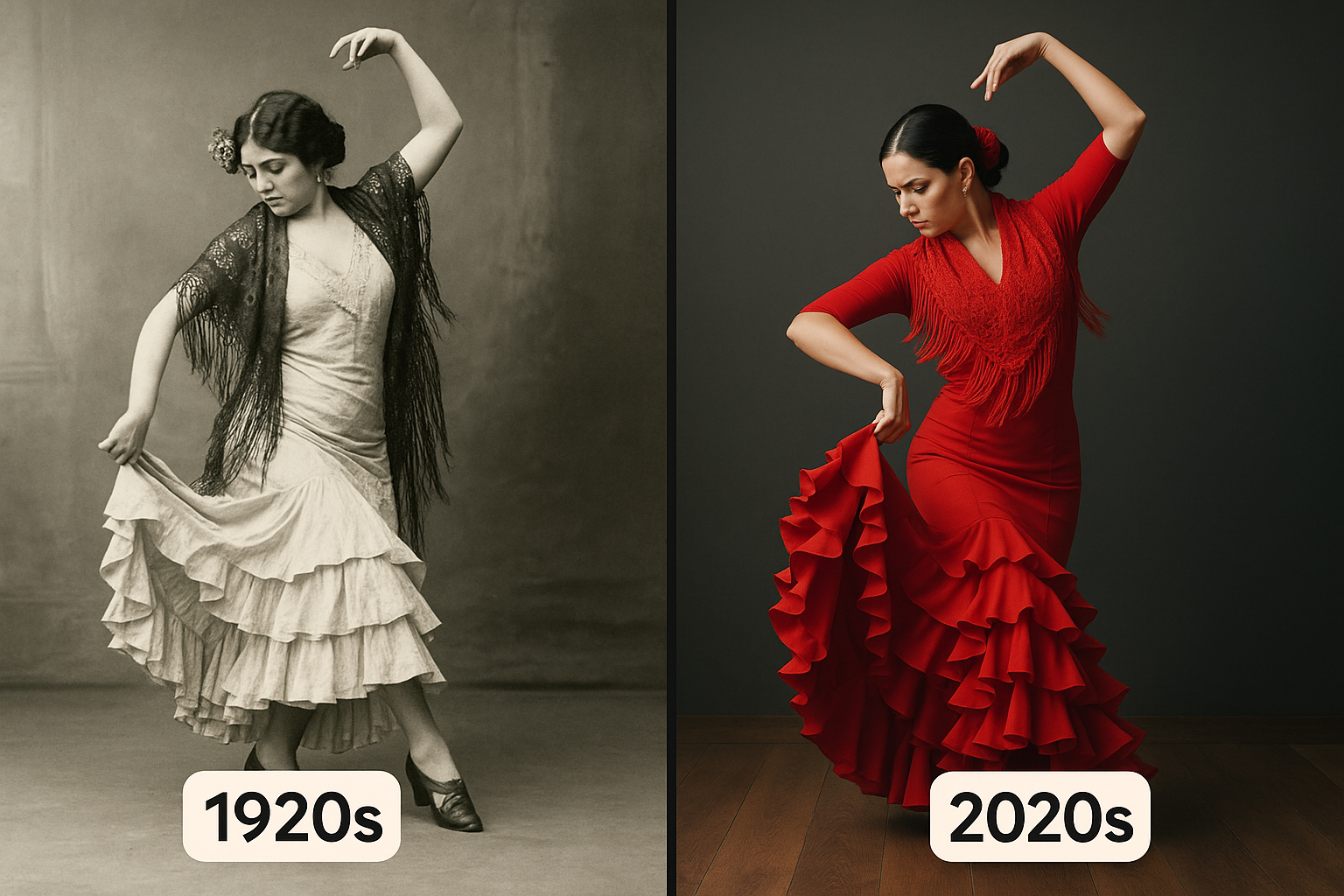
At NLAT, Then & Now: The Art of Dance is more than a showcase—it’s a conversation between past and present. We’re using this performance to honor the legacy of dance across generations and highlight the cultural voices that continue to inspire us. From the fiery passion of Flamenco to the soulful rhythms of Salsa and Bachata, Latin dance remains a powerful bridge—connecting tradition with innovation, and reminding us that movement is a universal language.
Be Part of the Movement
As we prepare for this exciting performance, we invite you to join us in celebrating the timeless language of dance.
- Volunteer: Help with event setup, lighting, stage management, costumes, props, breakdown, or wherever support is needed.
- Donate: Support our performers and youth artists by funding rehearsal space, costuming, and more.
- Attend: Experience the show and see how dance continues to shape culture and community—then and now.
Let’s honor the past. Let’s dance into the future.
Stay tuned for show dates, ticket info, and behind-the-scenes highlights.

Leave a comment